


Life at Anglara
Not Just a Job, a Place to Build
At Anglara, work isn’t about “clocking in and out”.
It’s about people who love building things that actually ship, help real businesses, and make us proud when we look back.
We’re a small, focused team that values ownership, clarity, and continuous learning more than fancy job titles.
If you enjoy solving problems, asking “why” before you start, and learning something new almost every week, you’ll feel right at home here.

Ownership over features, not just tickets
Learning, feedback, and community built into your work week
Real impact for clients across the globe
How We Work at Anglara
- We care more about outcomes than “being busy”.
- Deep work is respected here: fewer random interruptions, more focus time to actually build.
- Communication is clear, honest, and direct—whether it’s about scope, timelines, or feedback.
- Reviews (code, design, QA) are not a formality; they’re part of how we learn from each other and keep quality high.
- We don’t glorify last-minute chaos. When something goes wrong, we fix the system, not the blame.

Deep Work Over Multitasking
We plan work in focused blocks so you’re not juggling 10 unrelated tasks every hour.

Over-Communication > Assumptions
We’d rather ask one extra question up front than fix misalignment later.
Process with Common Sense
We use checklists and SOPs where they help, not to create fake bureaucracy.
Feedback is Normal, Not Personal
Comments on your PR or design file are about the work, not you.
What Work Feels Like at Anglara
A typical day here isn’t defined by strict schedules. It’s defined by the kinds of moments you keep experiencing again and again—solving real problems, debating ideas, getting clear feedback, and celebrating small wins together. These are the moments that shape what “life at Anglara” really feels like.

Cracking a Real Problem, Not Just a Ticket
When something is unclear, we don’t just “do it anyway.” People ask why, dig into context, and look for the simplest solution that will actually work in the real world.
Honest Reviews Without Ego
Code reviews, design comments, QA notes—these are part of everyday life. Feedback is direct but respectful, and everyone understands it’s about the work, not the person.

Learning, Sharing, and “Have You Tried This Tool?”
It’s common to see someone quickly demo a new library, AI tool, or workflow that made their life easier.

Quiet Focus + Loud Celebrations
Most of the time, the office is calm and focused. But when we ship something meaningful, hit a milestone, or hear great feedback, we make noise and celebrate it.

Clients Treating Us as Partners, Not Vendors
We’re often in calls where clients ask, “What do you think we should do?” People here are expected to speak up, suggest options, and help shape the solution—not just take orders.

Being There for Each Other
Whether it’s helping someone unblock a tricky bug, reviewing a portfolio, or just taking a chai break, people try to support each other as humans, not just as roles.
How You Grow at Anglara
We don’t expect you to stay the same for years. Growth here is a mix of real-world project exposure, honest feedback, and space to try new things. Whether you want to go deeper technically, lead a team, or speak at community events, we encourage it—as long as you’re ready to put in the work.
Clear Skill Expectations
As you prove yourself, you move from “tasks” to “modules” to “end-to-end features” and client-facing responsibilities.
Learning Habit
Seniors are approachable, but you’re expected to attempt solutions and come with options—not just problems.
Each role has a rough skill map, so you know what “next level” actually means.
Real Ownership as You Grow
Opportunity to learn new tools, tech, and patterns that directly help on projects.
Support, Not Spoon-Feeding
Clear Skill Expectations
Each role has a rough skill map, so you know what “next level” actually means.
Real Ownership as You Grow
As you prove yourself, you move from “tasks” to “modules” to “end-to-end features” and client-facing responsibilities.
Learning Habit
Opportunity to learn new tools, tech, and patterns that directly help on projects.
Support, Not Spoon-Feeding
Seniors are approachable, but you’re expected to attempt solutions and come with options—not just problems.
What Ownership Looks Like at Anglara
We work with clients who trust us, not just to “code what they say,” but to suggest better ways of doing things. That only works if people here take ownership—not just of their tasks, but of the outcomes.
You’ll See Yourself Here If…
- You ask for context (the “why”) before implementing big changes.
- You flag risks early instead of waiting for things to break.
- You propose improvements when you see something that can be better—process, design, or code.
- You can say, “I don’t know this yet, but I’ll figure it out.”
What Success Looks Like at Anglara
- Features that solve real user pain, not just match a requirement document.
- Clean, readable work that someone else can pick up tomorrow.
- Documented decisions so future you (and the team) can understand the “why” behind them.
- Calm, clear communication under pressure—especially when something goes wrong.
Life Beyond the Screen
- Yes, we work hard—but we don’t want Anglara to feel like a place where you only remember deadlines.
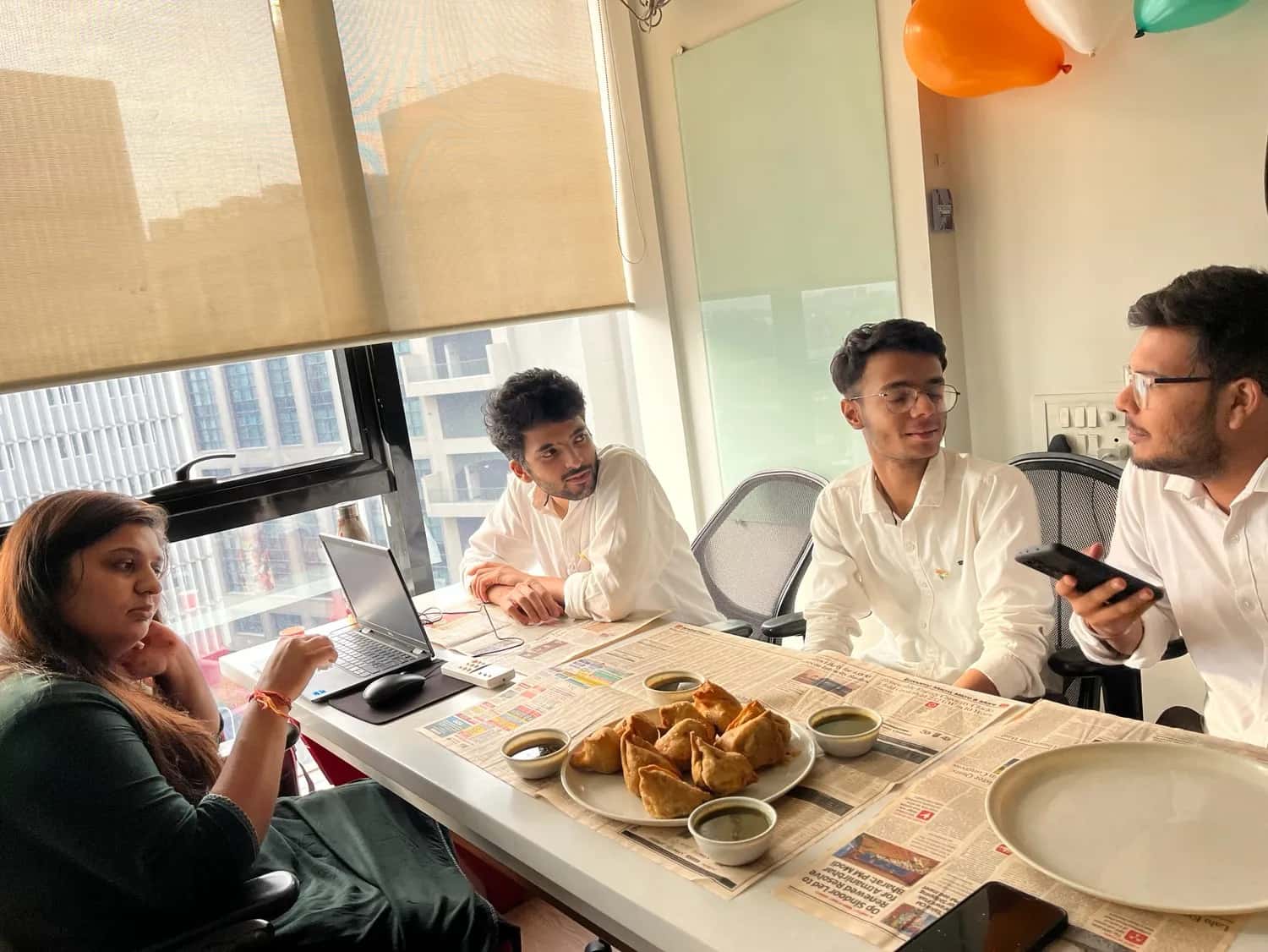
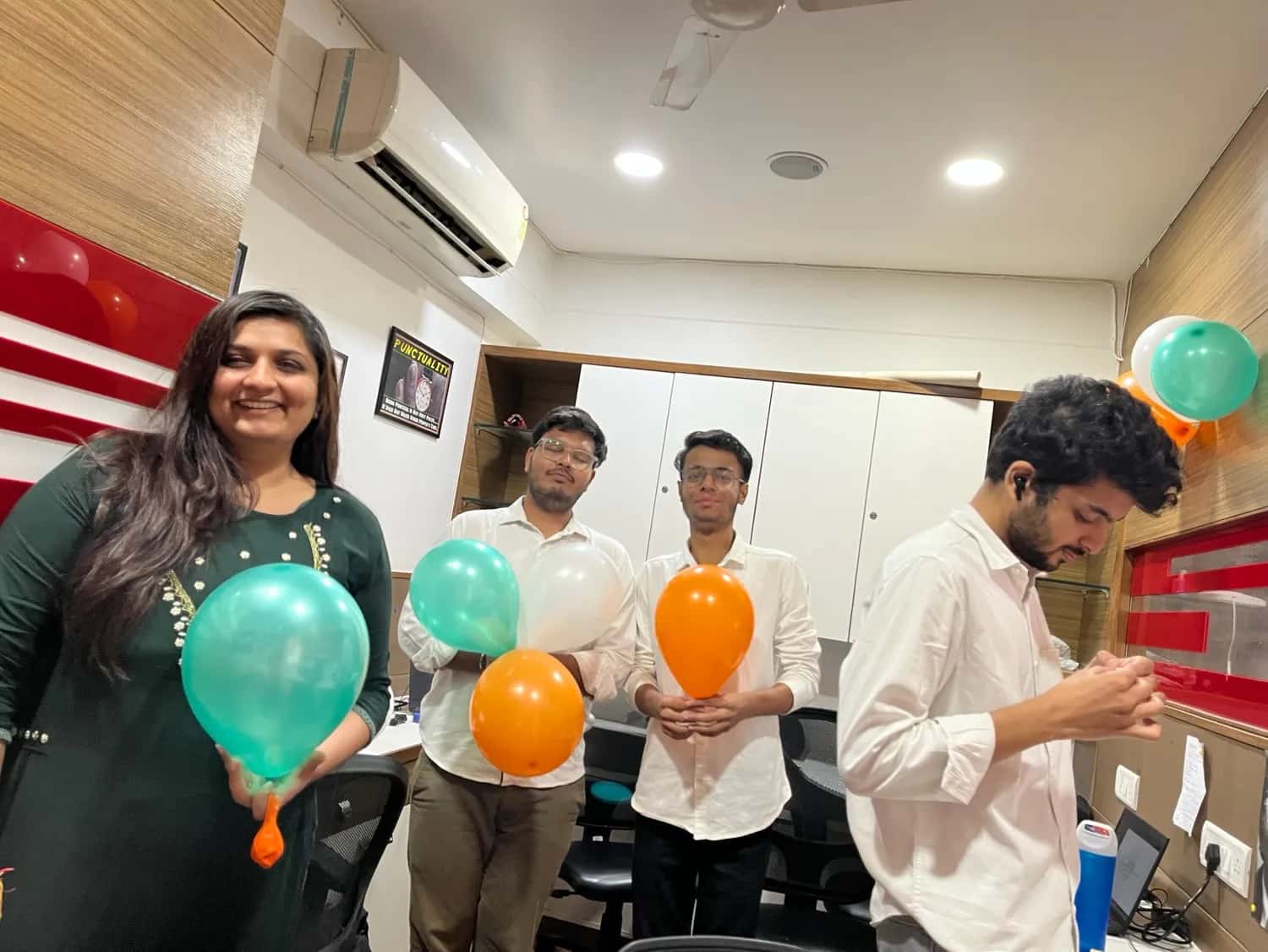
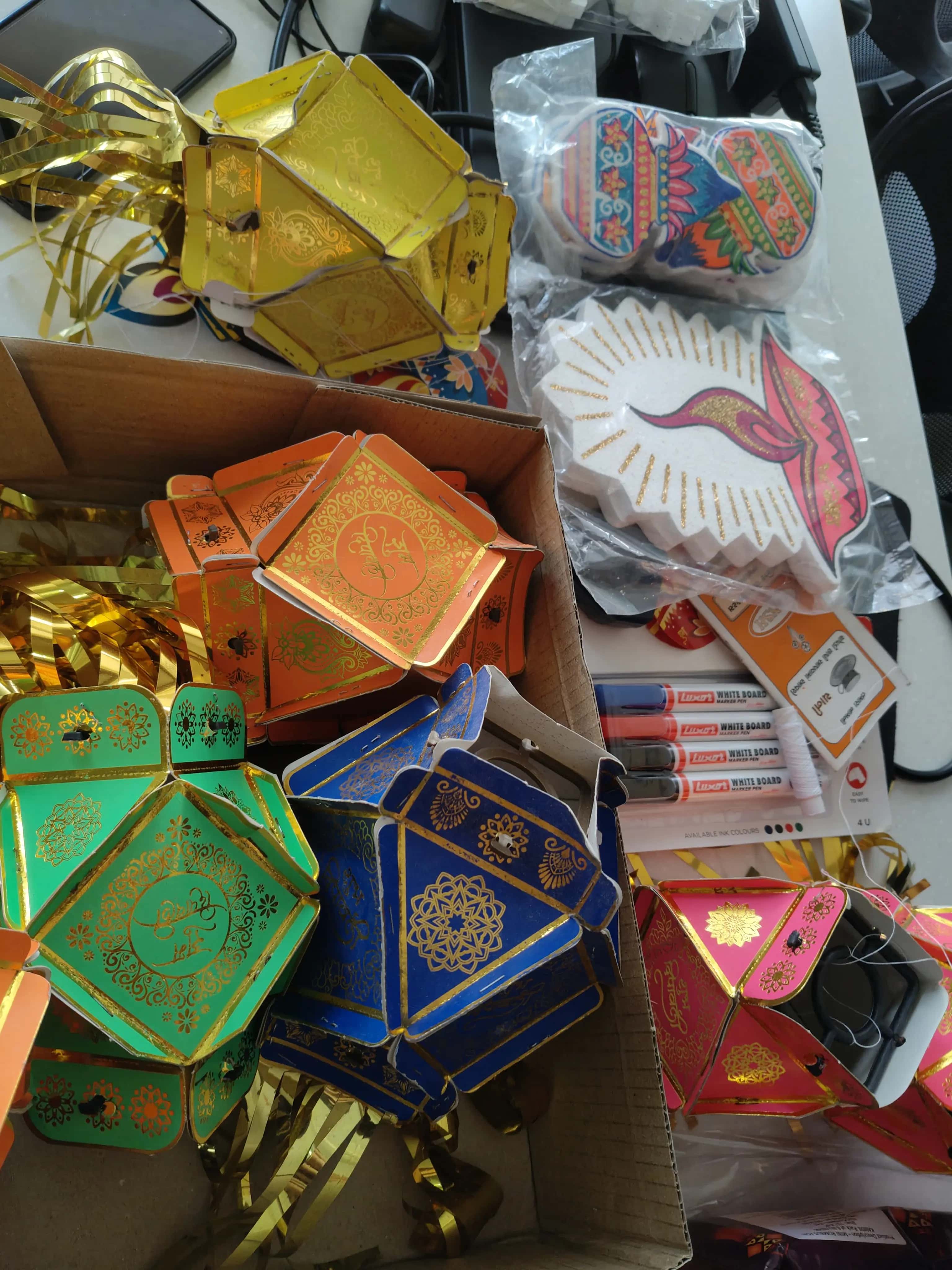
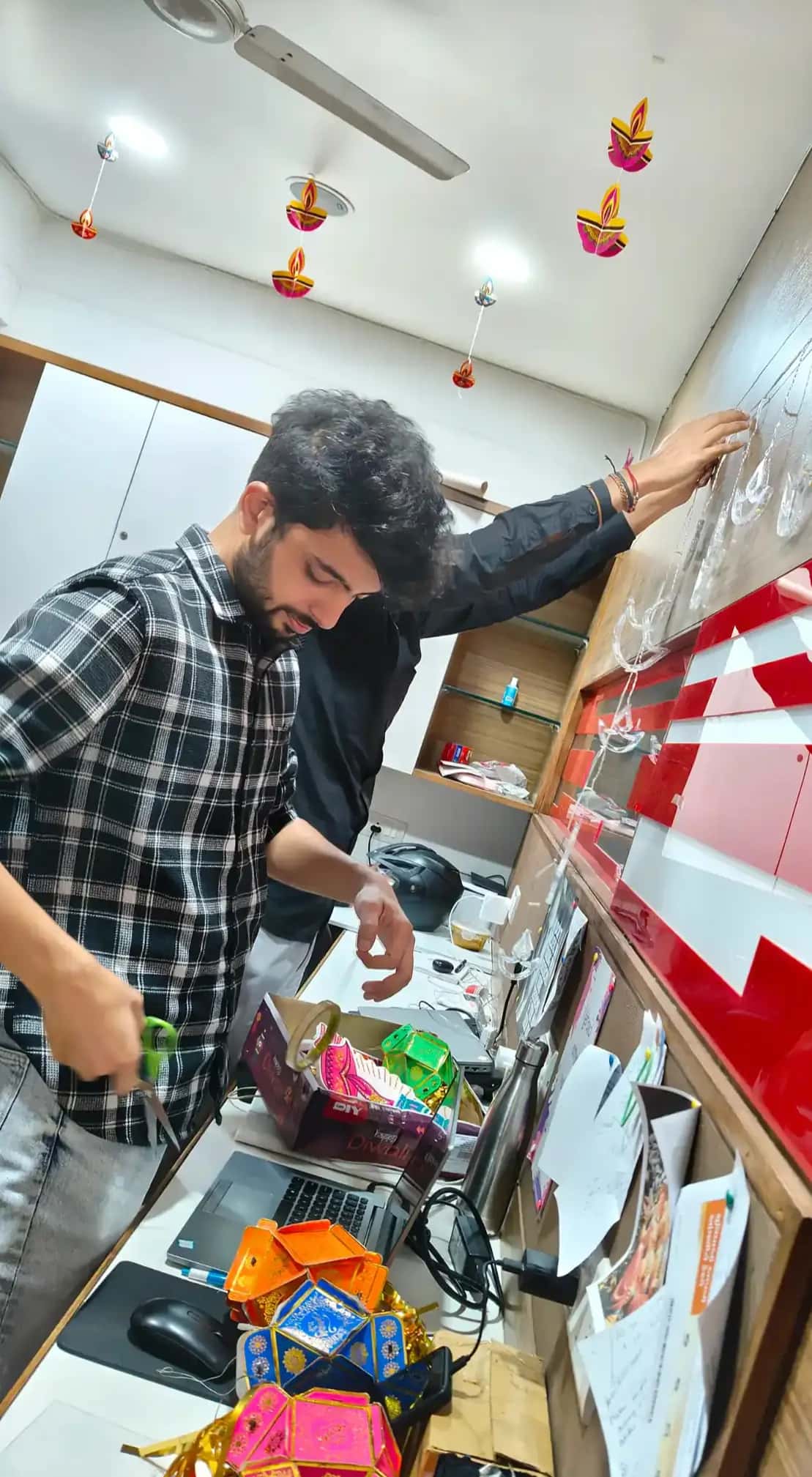
- We celebrate small and big wins, festivals, and personal milestones.
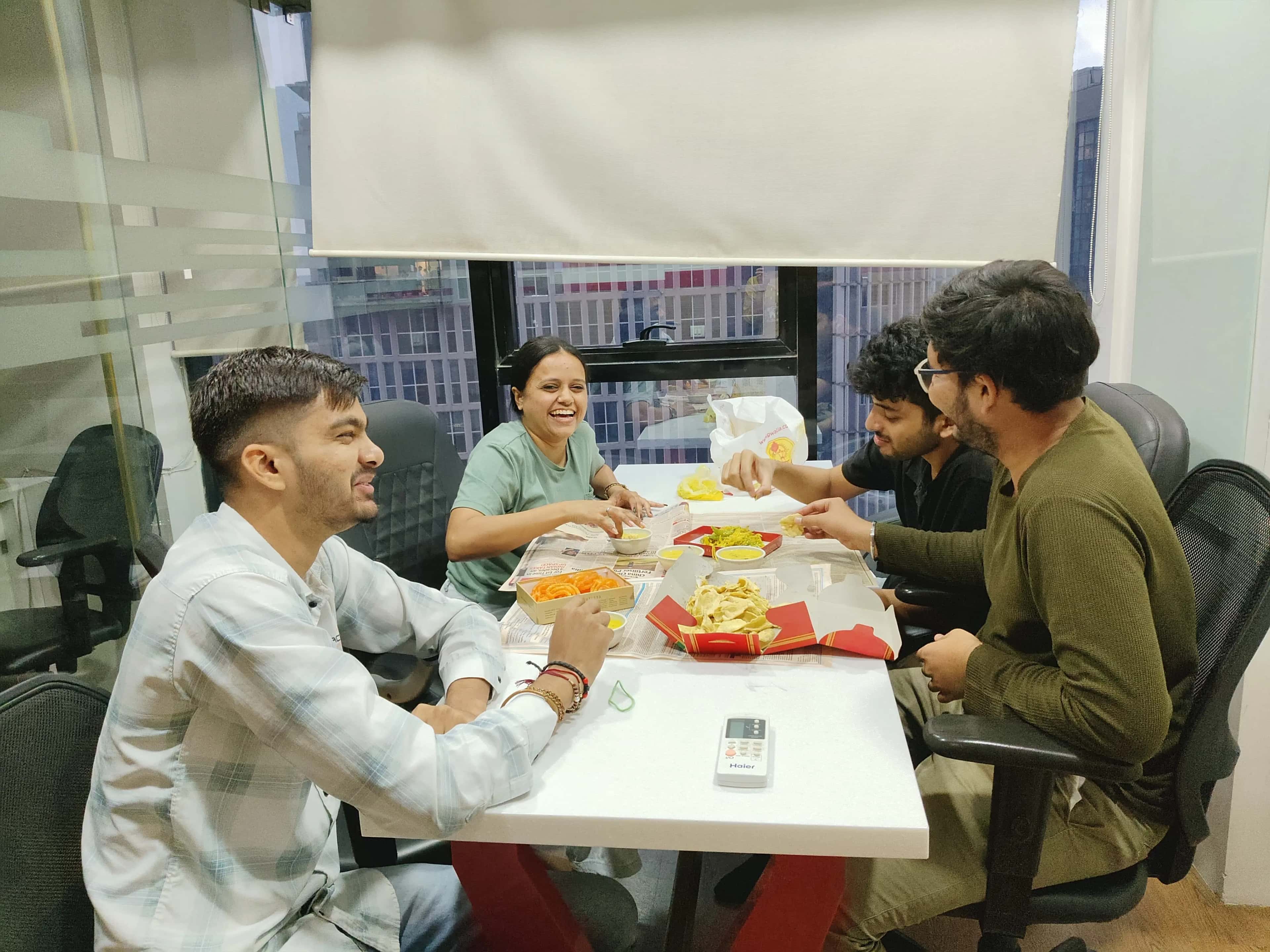
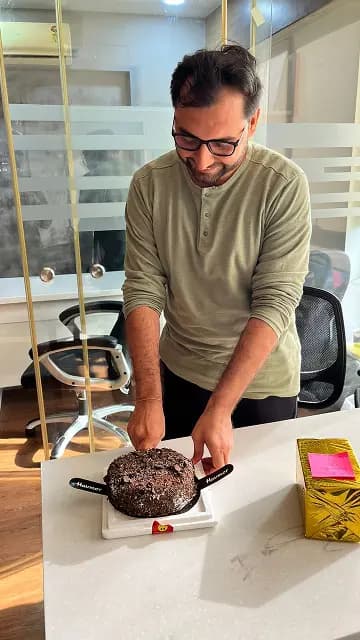
- Some days it’s cake in the office, some days it’s team outings, some days it’s just a relaxed chai break with a good discussion.
- None of this is “forced fun,” but we do like to create moments where people can connect as humans, not just job titles.
Festival celebrations and themed days.
Casual learning circles—sharing new tools, libraries, or workflows.
Birthday & work anniversary surprises.
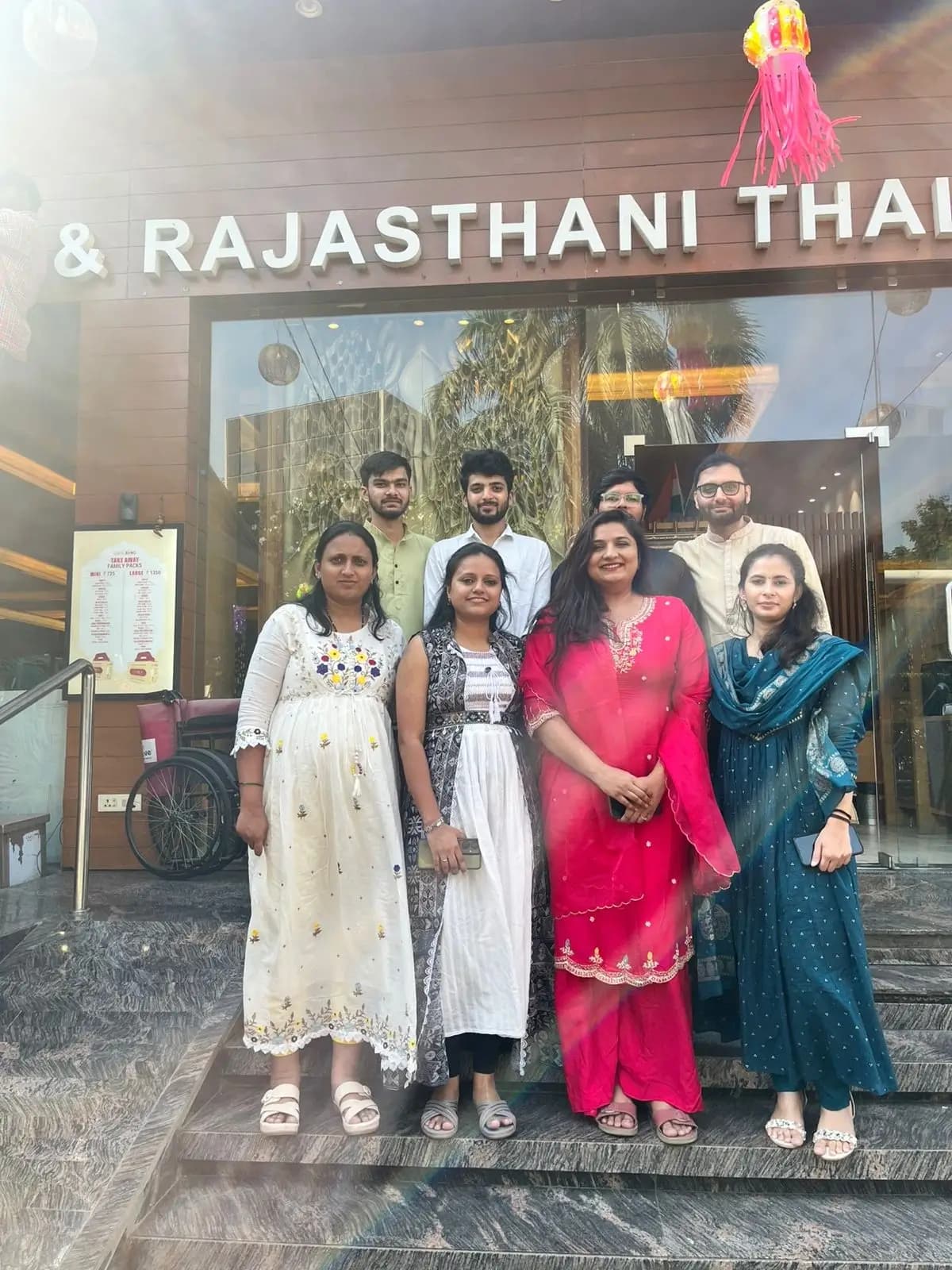
Team lunches / outings when projects hit key milestones.

Community, Cloud, and Giving Back
Anglara isn’t just present in the office—we’re active in the larger tech community as well. From Google Developer Groups Cloud Rajkot to local events and student sessions, we love sharing what we learn and learning from others.
Team members often get a chance to:
- Attend community events.
- Volunteer / help with design, content, or logistics.
- Speak or present when they feel ready.
Anglara Partners with Google Communities

Is Anglara Right for You?
- Not every company is right for every person—and that’s okay.
- Here’s a simple way to check if our way of working matches what you’re looking for.

You’ll Enjoy Working Here If…
You like solving problems, not just doing exactly what’s written in a ticket.
You’re okay with feedback on your work and use it to improve.
You’re comfortable taking responsibility for your tasks and communicating early when something is stuck.
You want to keep learning new tools, patterns, and ways of working.
You prefer clarity and structure over chaos—even if it sometimes means more documentation.

You May Not Enjoy it Here If…
You dislike writing any kind of notes, documentation, or comments.
You’re not okay with code/design reviews or feedback loops.
You want to work completely on your own with minimal team collaboration.
You prefer last-minute heroic fixes over planned, steady progress.
You only want a job for the title or brand name, not the actual work.
Tools & Tech We Use Every Day
We work with a modern tech stack and collaboration tools, and we expect everyone to be reasonably comfortable using them—or eager to learn. These tools are not just “nice to have”; they shape how we collaborate and deliver work.
Design & Collaboration
Development & Delivery
Communication & Documentation
AI & Productivity
How to Stand Out When You Apply to Anglara
We go through a lot of applications. The ones that stand out are not always the longest or fanciest—they’re the clearest and most honest.
Show Us Your Work, Not Just Your Title
Add links to GitHub, Dribbble, Behance, case studies, or anything that shows how you think and build.
Tell Us What You Actually Did
In each past project, mention your role clearly: what was yours vs what the team did.
Share How You Learn
A short note on how you’ve upskilled in the last 6–12 months (courses, side projects, open-source, talks) tells us a lot about your mindset.
Be Honest About Where You Need Help
You don’t need to know everything. Just be clear about what you’re confident in and where you’re still growing.
Customize for The Role
If you’re applying for MERN dev, highlight backend + system design work. If you’re applying for UI/UX, highlight flows, reasoning, and how you collaborate with devs.
